
Which truck does my material need?
Start with two questions: does the material need to stay enclosed, and how will it come off at site? Enclosed bulk materials need a bulk trailer; loose materials that are tipped need a tipper; and anything long, heavy or lifted needs a flatbed.
Side-by-side comparison
| Flatbed trailer | Tipper truck | Bulk trailer (tanker) | |
|---|---|---|---|
| Body | Open, flat deck | Open body that tilts | Enclosed body |
| Loaded by | Crane, forklift or other lifting from the side or above | Loader or chute from above | Filling from above or by a connection, depending on the material |
| Unloaded by | Lifting from the deck | Tipping at a set point | Discharge at the destination |
| Typical loads | Rebar, steel bars, pipes, long or awkward items | Loose bulk materials | Bulk materials that must be kept contained |
| Site needs | Lifting equipment and space to unload | Firm, level tipping area and overhead clearance | Suitable discharge arrangement at the destination |
| Main risk | Load movement if not properly restrained | Instability when tipping on soft or sloping ground | Mismatch between body type and material |
Flatbed trailers
A flatbed's open deck can be loaded from the side or above, which suits loads that are lifted on and off. That makes flatbeds the standard choice for rebar, steel bars and pipes. The trade-off is that nothing on a flatbed is held in place by the body: every item must be restrained. See how to transport rebar safely on a flatbed.
Choose a flatbed when the load is long, heavy or awkward, and the site has lifting equipment to unload it.
Tipper trucks
A tipper's body tilts to drop the load in one go. As a general industry practice, tippers carry loose materials that can be dumped at a tipping point on site, which makes unloading fast. The site must provide a firm, level area to tip, with enough overhead clearance for the raised body and no people or equipment in the discharge zone.
Choose a tipper when the material is loose, can be dumped, and the site has a safe tipping point.
Bulk trailers
Bulk trailers – often called tankers – carry bulk materials in an enclosed body. Enclosure protects the load from spillage and weather and keeps roads clean. Different bulk materials need different body types and discharge methods, so matching the trailer to the material matters.
Choose a bulk trailer when the material must stay contained in transit, and the destination can receive a bulk discharge.
Questions that decide the choice
- Must the material stay enclosed? If yes, a bulk trailer.
- Is it long, heavy or lifted? If yes, a flatbed.
- Can it be tipped at site? If yes, and the site has a safe tipping area, a tipper.
- What can the site accommodate? Access, ground conditions, overhead clearance and unloading equipment may rule a vehicle in or out.
- How much needs to move? Volume and weight affect how many loads are needed, within legal limits – see axle-load rules.
Common mistakes
- Booking by price before confirming the vehicle type the load needs.
- Sending a tipper to a site with no safe, level tipping area.
- Sending a flatbed load without confirming lifting equipment at site.
- Assuming any bulk trailer suits any bulk material.
The Nafees Transport fleet
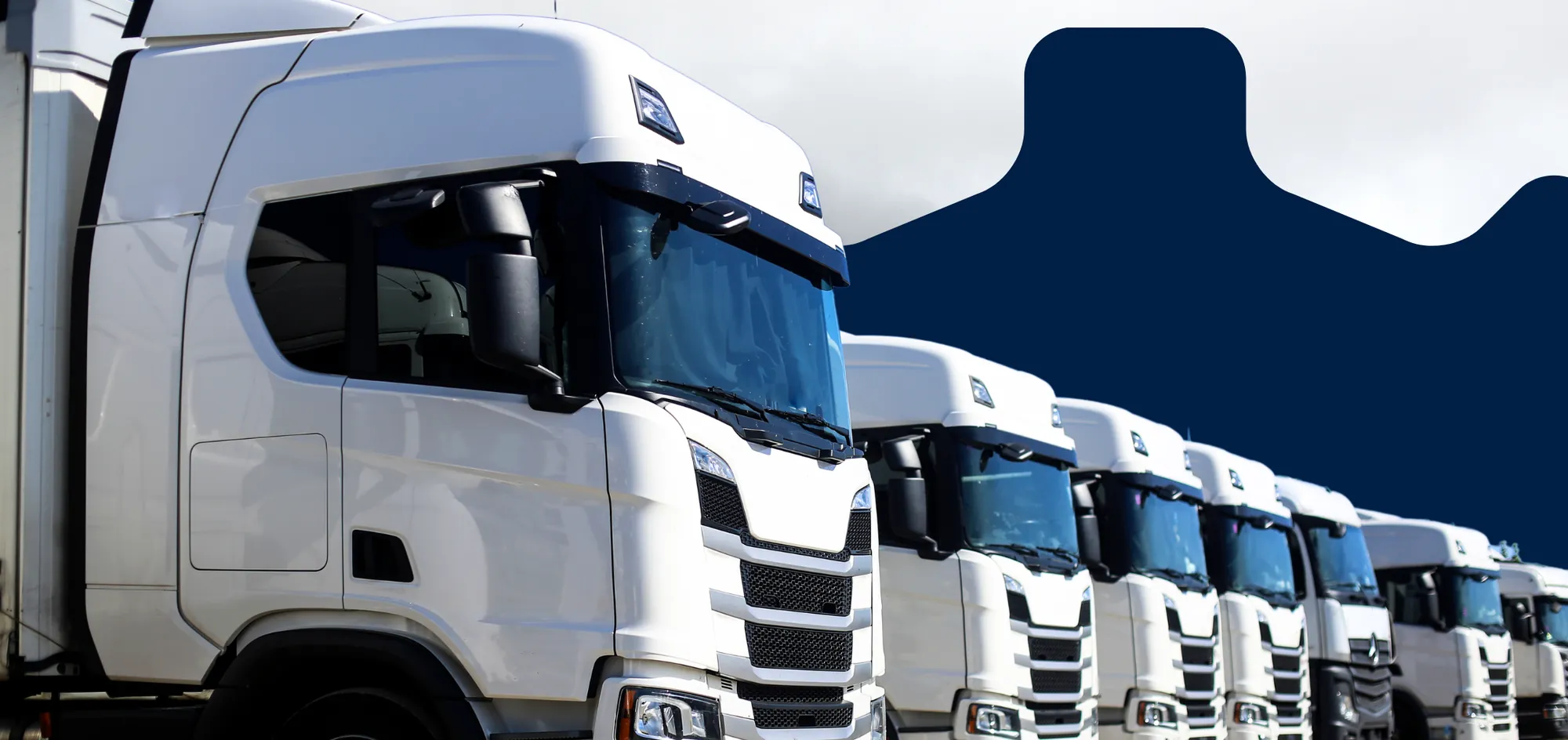
Nafees Transport runs bulk trailers, tippers and flatbed trailers, matched to each load at quote stage. If you are not sure which your material needs, describe it and how it will be unloaded, and we will advise.
Mixed requirements
Many projects need more than one vehicle type over their life: flatbeds when reinforcement arrives, tippers or bulk trailers when bulk materials are needed. Planning these deliveries together, with one provider that runs all three, keeps the site schedule simple and avoids sending the wrong vehicle to the wrong delivery. When you request a quote, describe each material separately and say how it will be unloaded, so each delivery gets the right vehicle.
Need materials moved?
Nafees Transport is a Dubai-based transport company that moves construction and industrial materials, steel and rebar across all seven emirates. Send your requirement through the quote form or WhatsApp on +971 54 161 0526, Monday to Saturday, 8 AM to 6 PM.
Sources
- European Commission – European Best Practice Guidelines on Cargo Securing for Road Transport (2014)
- Ministry of Energy and Infrastructure – Table of maximum weights and dimensions of heavy vehicles on federal roads (January 2024)
Road rules change. Always check the latest notice from the relevant authority before dispatch.